
The most common crate training mistakes are rushing the introduction, using the crate as punishment, choosing the wrong size, and leaving a dog crated for longer than they can manage. Each one teaches your dog that the crate is stressful instead of safe. The good news is that most are easy to fix once you spot them, and a dog that has had a bad start can usually learn to like the crate again with a slower, more rewarding plan.
Here are twelve mistakes to watch for, why they cause problems, and what to do instead.
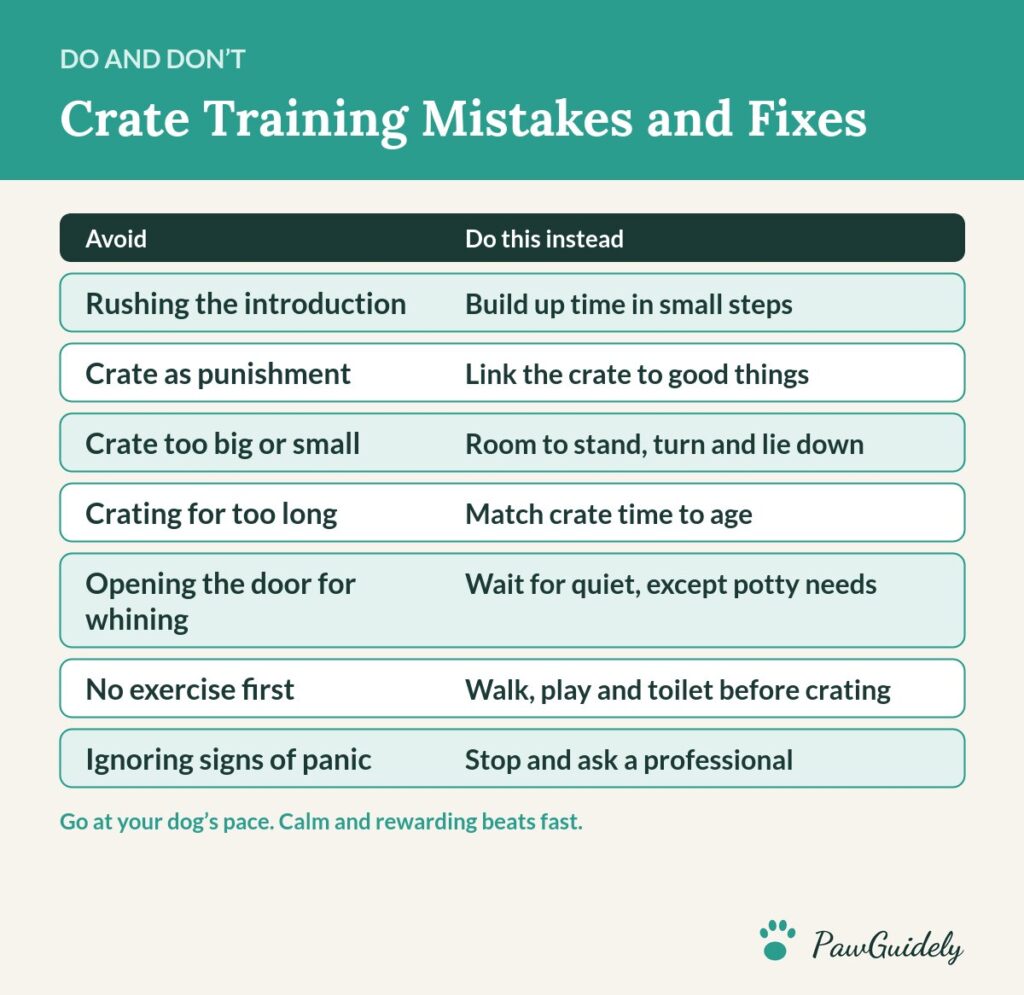
Crate Training Mistakes at a Glance
| Mistake | Do This Instead |
|---|---|
| Rushing the introduction | Build up time in small steps |
| Using the crate as punishment | Keep the crate linked to good things |
| Wrong crate size | Room to stand, turn and lie down, no more |
| Crating for too long | Match crate time to age and needs |
| Letting a dog out for whining | Wait for a quiet moment, except for potty needs |
| Skipping exercise and potty breaks | Walk, play and toilet first |
| Only crating when you leave | Use the crate while you are home too |
| Ignoring signs of real panic | Stop and get professional help |
The 12 Mistakes in Detail
1. Rushing the introduction
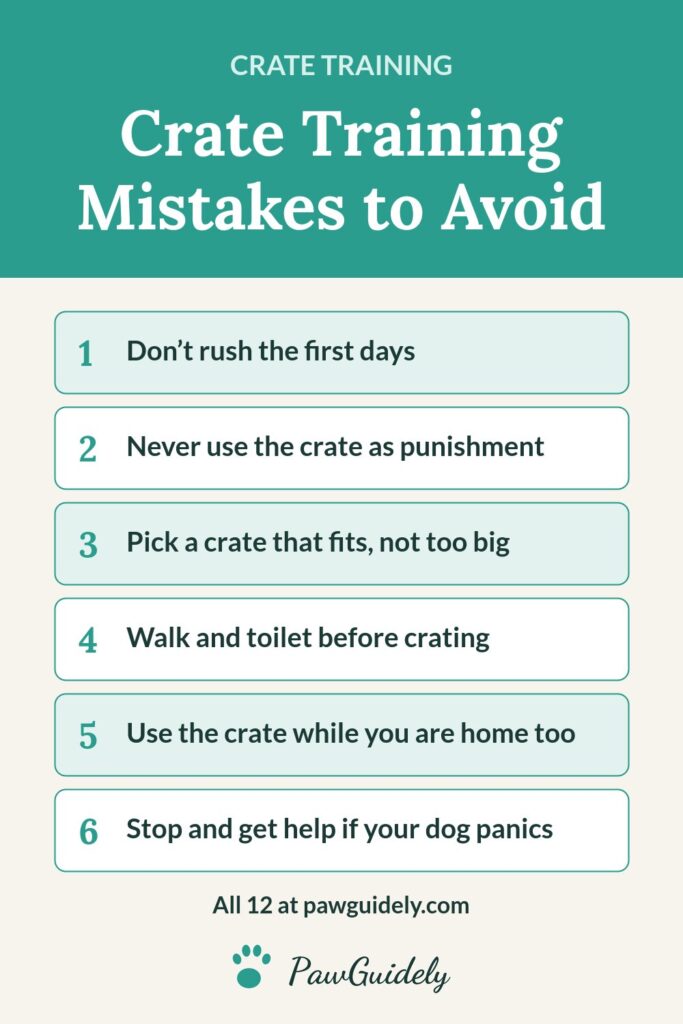
Shutting the door on day one and walking away is the fastest way to create a crate-hater. Start with the door open, toss treats inside, feed meals near and then inside the crate, and close the door for a few seconds at a time while you sit nearby. Add time gradually. Our crate training schedule shows how to build up by age.
2. Not making the crate rewarding
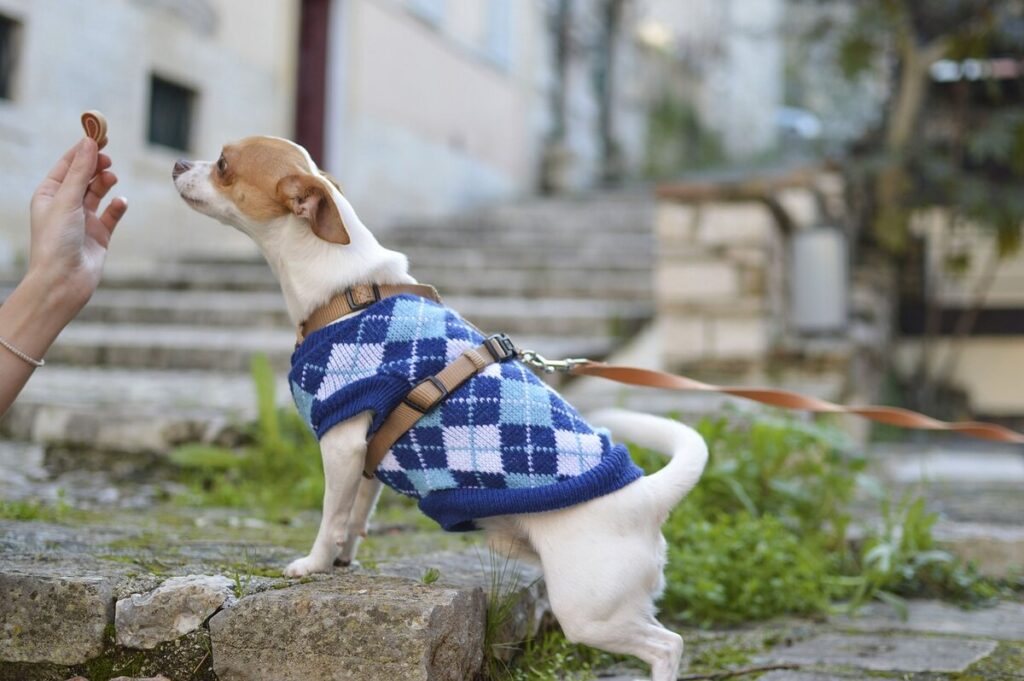
If the crate only means being left alone, your dog has no reason to want to go in. Pair it with things your dog loves: a food-stuffed chew toy, meals, a favorite blanket, and treats for walking in on their own. Over time the crate becomes a place your dog chooses.
3. Using the crate as punishment
Sending a dog to the crate after they chew a shoe or have an accident teaches them the crate is bad news. If you need a break, calmly guide your dog in with a chew and treat it as a rest, not a time-out.
4. Choosing the wrong crate size
Too small is uncomfortable. Too big, especially for puppies, leaves room to sleep at one end and toilet at the other. Your dog should be able to stand, turn around and lie stretched out. Use our dog crate size chart, and for a growing puppy pick a crate with a divider.
5. Leaving your dog crated for too long
Puppies can’t hold their bladder for long, and even adult dogs need breaks, exercise and company. Long stretches in the crate lead to accidents, restlessness and frustration. See how long a dog can stay in a crate for age-based guidance, and plan a midday break or dog walker if your days are long.
6. Letting your dog out every time they whine
If whining always opens the door, your dog learns that whining works. Wait for a few seconds of quiet before letting them out. The exception is a young puppy at night who may genuinely need the toilet: take them out calmly, keep it boring, and put them straight back. Our guide to stopping a puppy crying in the crate covers this in detail.
7. Skipping exercise and potty breaks first
A dog with pent-up energy or a full bladder will struggle to settle. Before crating, give a walk or play session suited to your dog’s age and a chance to go to the toilet. A tired, comfortable dog is far more likely to rest.
8. Only using the crate when you leave
If the crate always predicts you walking out the door, your dog may start to dread it. Use it for short rests while you are home too, so going in is just part of the day.
9. Making departures and returns a big deal
Long goodbyes and excited greetings can raise your dog’s stress around being crated. Keep leaving and coming home low-key, and let your dog out once they are calm.
10. Putting the crate in an isolated spot
Dogs are social, and a crate in a cold garage or a far-off room can feel like exile. Most dogs settle better where they can hear the household, at least while they are learning. A quiet corner of a living room or bedroom often works well.
11. Leaving unsafe items in the crate
Collars with hanging tags can snag on wire, and some dogs chew and swallow bedding or toy pieces. Remove collars with dangling tags when crating, choose durable bedding for chewers, and only leave toys that are safe unsupervised.
12. Ignoring signs of real panic
Some whining is normal while a dog adjusts. Heavy drooling, frantic escape attempts, bent bars, injured paws or mouths, or destroying the crate are different. These can be signs of separation anxiety or confinement distress, and pushing on with crating can make them worse. Stop, keep your dog safe, and talk to your vet or a qualified behavior professional.
How to Restart Crate Training After a Bad Start
- Stop shutting the door for a few days and just reward your dog for going near and into the crate.
- Feed every meal in the crate with the door open.
- Add a food-stuffed toy and close the door for a few seconds while you stay close.
- Build up time slowly, staying in the room at first, then stepping away briefly.
- Only add longer absences once your dog is relaxed for shorter ones.
Adult dogs can learn too. Our guide on crate training an adult dog has a full step-by-step plan.
Related Guides
- Crate Training Schedule by Age
- How to Crate Train an Adult Dog
- How to Stop a Puppy Crying in the Crate
- How Long Can a Dog Stay in a Crate? (By Age)
- Dog Crate Sizes: Size Chart by Breed and Weight
- 4 Best Dog Crates for Puppies
- 4 Best Dog Crate Covers
- 5 Best Dog Training Clickers for Quiet, Loud and Hands-Free Marking
Frequently Asked Questions
What is the biggest crate training mistake?
Rushing. Closing the door for long periods before your dog is comfortable is the most common cause of crate stress. Build up time gradually and keep the crate rewarding.
Is it bad to put a dog in the crate as punishment?
Yes. Using the crate as punishment teaches your dog to associate it with being in trouble, which makes them less willing to go in and rest there.
Should I ignore my puppy crying in the crate?
Wait for a short quiet moment before letting them out during the day. At night, a young puppy may need the toilet, so take them out calmly and return them to the crate without play.
Can you fix crate training after a bad start?
Usually, yes. Go back to short, rewarding sessions with the door open, feed meals in the crate and build up time slowly. If your dog shows panic, ask your vet or a behavior professional for help.
How long does crate training take?
It varies by dog. Some settle within days, while others need several weeks of gradual practice. Progress at your dog’s pace rather than a fixed timeline.
If your dog shows signs of panic or injures themselves in the crate, stop crate training and speak to your vet or a qualified behavior professional.