
This post contains affiliate links. As an Amazon Associate I earn from qualifying purchases. This costs you nothing extra. See our affiliate disclosure for details.
A dog with separation anxiety is not being naughty or spiteful. They are genuinely distressed when left alone, sometimes to the point of panic. That can look like howling, destructive chewing near doors, accidents or frantic attempts to escape. The good news is that with patience, a clear plan and support from your vet or a qualified trainer, most dogs can learn to feel safer on their own.
Signs of Separation Anxiety
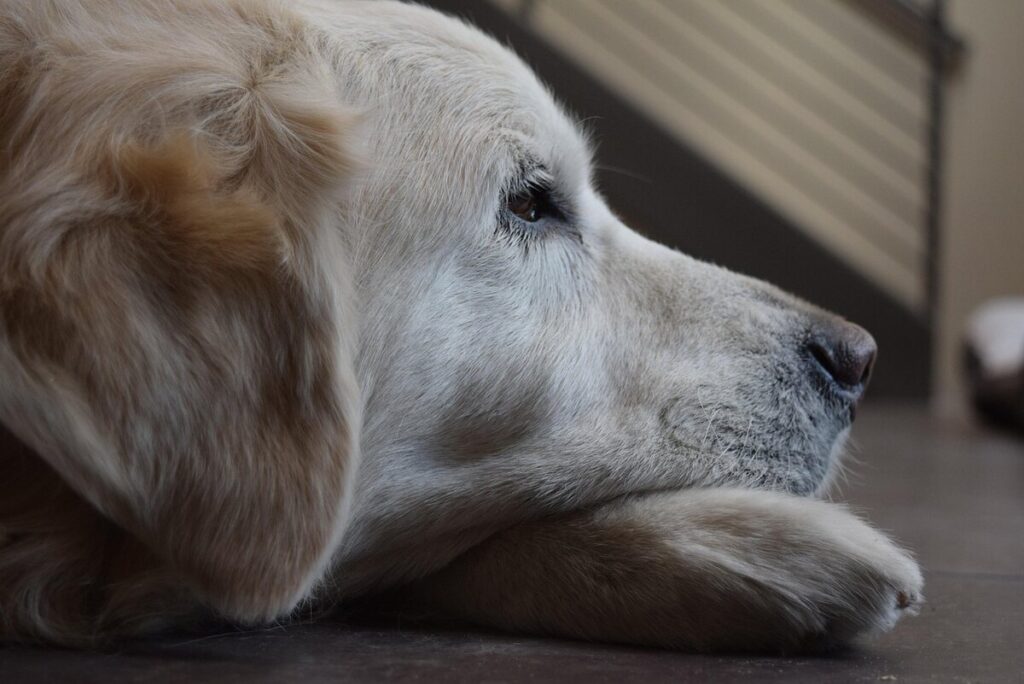
| Sign | Often seen |
|---|---|
| Barking, howling or whining | Starts soon after you leave |
| Destruction at exits | Chewing doors, window frames, crate bars |
| House soiling | Only when alone, in a house-trained dog |
| Pacing, panting, drooling | Before and after you leave |
| Escape attempts | Sometimes causing injuries |
| Following you everywhere | Distress as you prepare to leave |
Filming your dog when you leave is the best way to know what is happening. Some dogs are bored rather than anxious, and the solutions are different.
Step One: Talk to Your Vet
Book a vet visit first. Your vet can rule out medical causes of accidents or restlessness, and for moderate to severe cases may discuss medication that can make training possible. A referral to a certified separation anxiety trainer or veterinary behaviorist can make a big difference. Never give your dog any medication without veterinary advice.
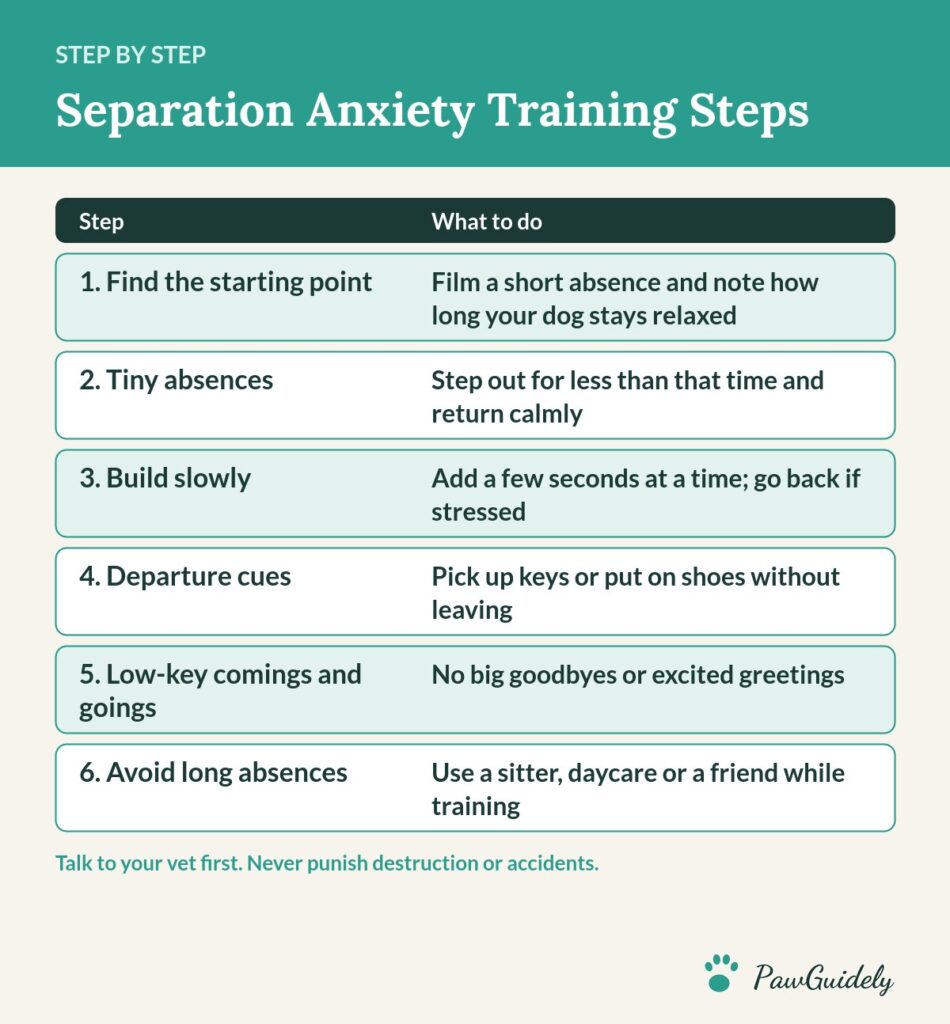
How to Help a Dog With Separation Anxiety: Training Steps
- Find the starting point. Film yourself stepping out for a few seconds. Note how long your dog stays relaxed. That is your starting duration.
- Practice tiny absences. Step out for less than that time, then come back calmly before your dog becomes stressed.
- Increase time very gradually. Add a few seconds at a time. If your dog shows stress, go back to a shorter time.
- Work on departure cues. Pick up keys or put on shoes without leaving, so these signals stop predicting your absence.
- Keep arrivals and departures low key. No big goodbyes or excited greetings.
- Avoid real absences beyond your dog’s limit. While training, arrange a sitter, daycare, a friend or take your dog with you where possible.
- Build confidence at home. Reward calm settling on a mat while you move around the house.
Progress is rarely a straight line. Some days will be harder. Short, frequent sessions work better than long ones.
What Helps (and What Doesn’t)
| Helpful | Not helpful |
|---|---|
| A predictable routine and exercise before alone time | Punishing destruction or accidents |
| Enrichment like stuffed toys, if your dog eats when alone | Crating a dog who panics in a crate |
| Gradual training under the panic point | Leaving for long periods and hoping they adjust |
| Professional support | Getting a second dog as a quick fix |
Many anxious dogs will not eat when alone. If a stuffed KONG is untouched when you return, it is a sign your dog is too stressed, not that they dislike the toy.
Crates and Separation Anxiety
A crate can help a dog who is simply learning house rules, but it can make true separation anxiety worse and lead to injuries from escape attempts. If your dog panics in a crate, use a safe, dog-proofed room or a pen instead, and talk to a professional.
Gear That Helps
1. Furbo 360 Dog Camera — See How Your Dog Copes
A pet camera lets you watch your dog during training absences so you can stop before they get stressed, and check progress over time.
- Live video on your phone
- Barking alerts
Worth knowing: Use it to monitor, not to talk to a panicking dog, which can increase stress for some dogs.
2. KONG Classic — Calm Enrichment
A stuffed, frozen KONG can give mildly anxious or bored dogs something calming to do when you leave.
- Stuff and freeze for longer use
- Durable rubber
Worth knowing: If your dog will not touch it when alone, they are too stressed. Go back a step.
3. LickiMat Classic Buddy — Soothing Activity
Licking is a naturally calming behavior. A lick mat is useful during short training absences and when you are home, too.
- Easy to prepare and freeze
- Dishwasher safe
Worth knowing: Not a chew toy. Supervise until you know how your dog uses it.
The Bottom Line
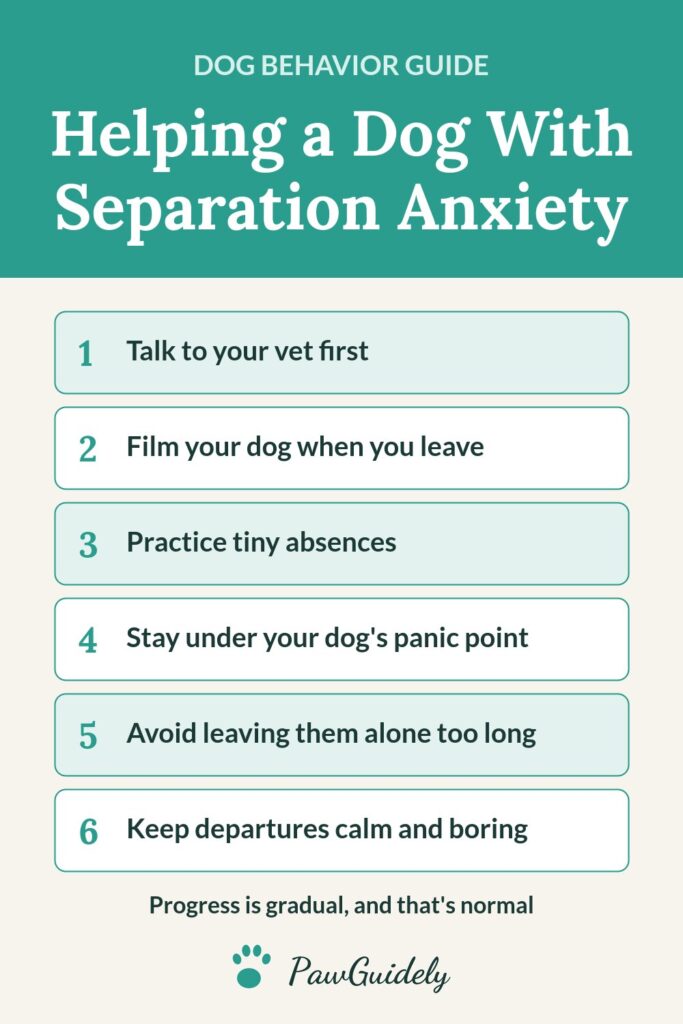
Helping a dog with separation anxiety starts with a vet visit and a realistic plan. Practice tiny absences that stay below your dog’s panic point, increase time slowly, avoid long absences while training, and get professional support. It takes patience, but many dogs make real, lasting progress.
Preventing Separation Problems in Puppies and New Dogs
- Practice short periods apart from the first week, even when you are home.
- Reward your dog for settling in another room while you are busy.
- Avoid spending every minute together during the first days, then suddenly returning to work.
- Build a predictable daily routine with walks, meals and rest at similar times.
- Give plenty of mental exercise, not just physical exercise.
These habits do not guarantee a dog will never struggle, but they help many dogs learn early that time alone is normal and safe.
Further reading: Further reading from a trusted animal-welfare source: ASPCA: Separation Anxiety in Dogs. This guide is general information, not veterinary advice, so ask your vet about your own pet.
Related Guides
- How to Crate Train an Adult Dog: A Calm, Step-by-Step Plan
- 4 Best Lick Mats for Dogs: Calm, Slow Down and Keep Busy
- 15 Indoor Games for Dogs to Beat Boredom on Rainy Days
- Furbo vs Petcube: Which Treat-Tossing Pet Camera Should You Buy?
Frequently Asked Questions
How do I know if my dog has separation anxiety?
Signs include howling, destruction near exits, accidents and escape attempts only when alone. Filming your dog is the best way to know.
Can separation anxiety be cured?
Many dogs improve a lot with gradual training, management and sometimes medication prescribed by a vet. Progress takes weeks to months.
Will a second dog help with separation anxiety?
Sometimes, but often not. Many dogs are anxious about being apart from their person, not about being alone. Try other steps first.
Should I crate a dog with separation anxiety?
Not if they panic in the crate. Use a safe room or pen instead and get professional advice.
Is it okay to leave the TV on for my dog?
Background noise helps some dogs but is not a treatment on its own. Combine it with gradual training.